
 O'zbekcha
  English
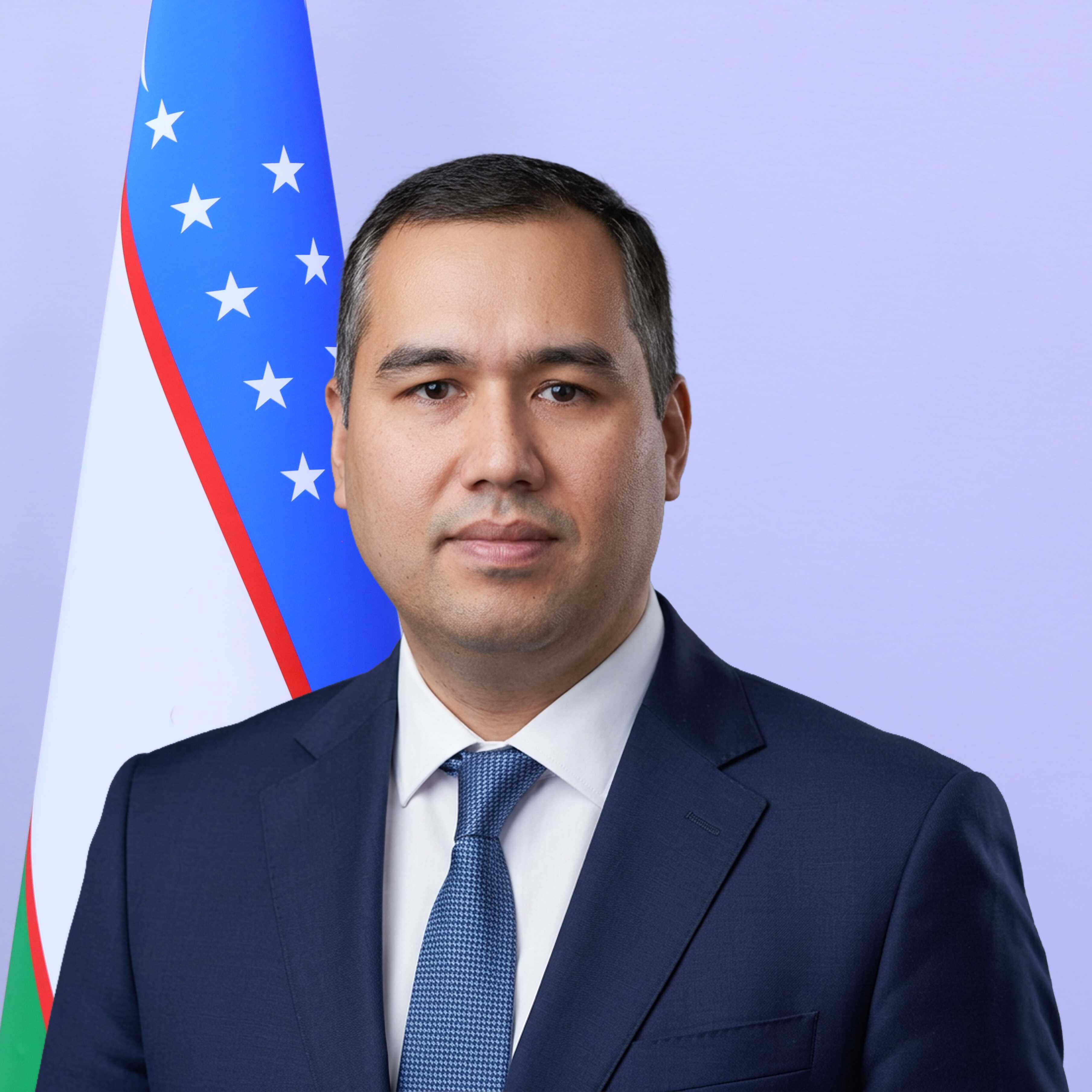
Bakhtiyor Yuldashev
Director of the National Quality Assurance Agency for Education
The Accreditation Commission is an independent and permanently functioning collegial body authorized to review the conclusions prepared on the basis of the final report submitted by the expert commission and to adopt the final decision on granting state accreditation to an educational institution (or its educational program).


The Accreditation Commission is established by the order of the Director of the National Quality Assurance Agency for Education and comprises representatives of government institutions, academia, employers, students, and international experts.
The Commission brings together professionals from various sectors to ensure independent, objective, and evidence-based accreditation decisions.
In addition to its permanent members, the Commission may engage external specialists and subject-matter experts on a temporary basis, depending on the profile and specific characteristics of the educational institution or programme under review.
The Commission operates in accordance with the principles of independence, impartiality, professional expertise, transparency, and accountability.
The Commission is chaired by the Director of the National Quality Assurance Agency for Education and serves as the collegial body responsible for making final state accreditation decisions.
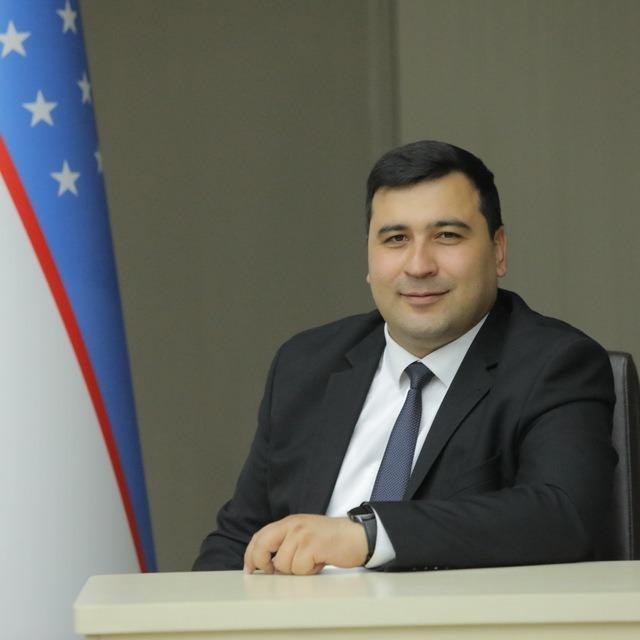
First Deputy Director of the National Quality Assurance Agency for Education and Deputy Chair of the Accreditation Commission
First Deputy Minister of Higher Education, Science and Innovation of the Republic of Uzbekistan
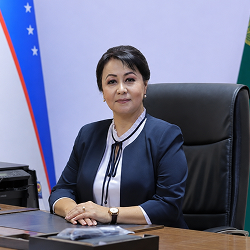
Deputy Minister of Poverty Reduction and Employment of the Republic of Uzbekistan
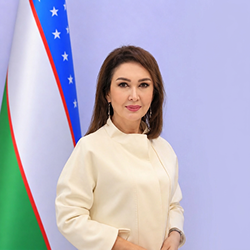
Deputy Chairperson of the Chamber of Commerce and Industry of the Republic of Uzbekistan
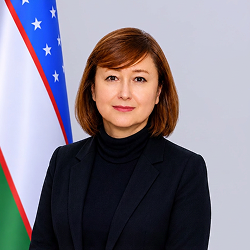

Executive Director for Quality Assurance and Enhancement, Quality Assurance Agency for Higher Education (QAA), United Kingdom
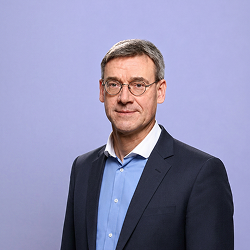
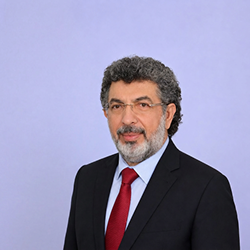
Head of the Methodology, Expert Training and Registry Management Group, National Quality Assurance Agency for Education